

Travel Tips for Your Journey to the Amazon
Everything you need to know before joining our Ayahuasca Retreat near Iquitos, Peru.
✈ 1. Getting to Iquitos & the Retreat
Arriving in Iquitos (IQT Airport)
Iquitos is accessible only by air or river. Most guests fly from Lima (1 hr 30 min).
Transport to the Lodge
Your journey from Iquitos into the rainforest may include:
- Pickup from hotel/airport
- Road transfer
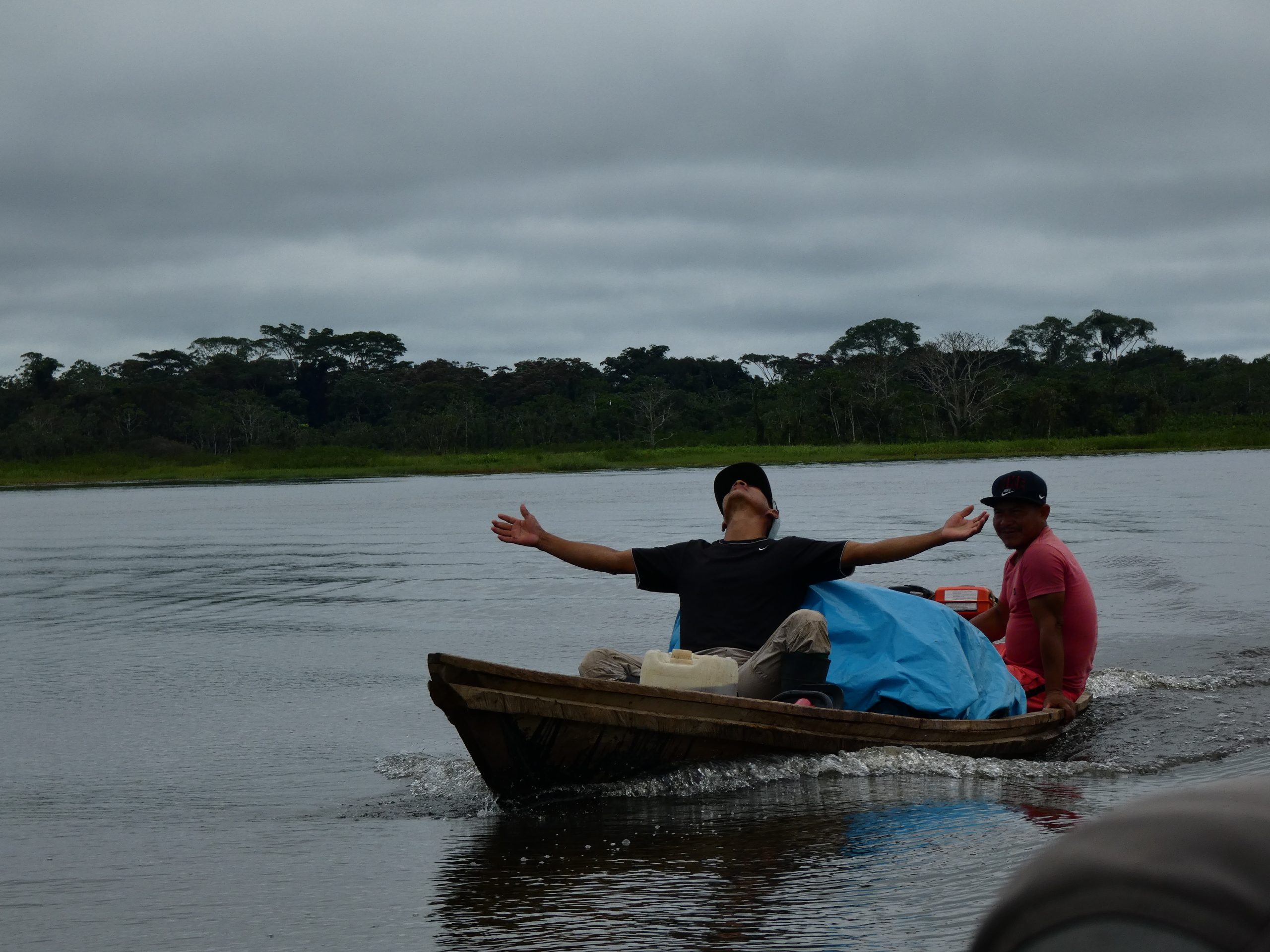
- A scenic Amazon river boat ride
Your retreat coordinator will guide you through each step.
🎒 2. What to Bring
- Lightweight, breathable clothing
- Long sleeves / long pants
- Comfortable shoes + sandals
- Rain jacket / poncho
- Flashlight or headlamp
- Natural mosquito repellent
- Reusable water bottle
- Waterproof bags
- Journal, pen
- Personal medications (approved by retreat)
Avoid bringing: perfumes, drugs, alcohol, valuables.
🏙 3. About Iquitos
Iquitos is a vibrant, one-of-a-kind city in Peru’s Loreto Region, serving as the world’s largest city inaccessible by road—reachable only by air or river. Nestled at the heart of the Amazon basin, it’s the bustling capital of the Peruvian Amazon, blending colonial history, indigenous culture, and raw jungle energy. With a population of around 400,000, it’s a hub for ecotourism, commerce, and exploration, drawing adventurers to its riverside markets, historic sites, and gateway to pristine reserves like Pacaya-Samiria and Tamshiyacu-Tahuayo.
History: From Rubber Boom to Jungle Metropolis
Iquitos was founded in 1757 as a Jesuit mission but exploded in the late 19th century during the rubber boom, becoming Peru’s richest city. Immigrants from Europe and Asia flocked here, building opulent structures like the Iron House (designed by Gustave Eiffel and shipped from France in 1890) and the mosaic-tiled mansions along the Malecón Tarapaca. The boom’s end in the early 20th century brought decline, but oil discovery in the 1960s revitalized the area, seeding modern tourism. Today, Iquitos honors its past through museums and architecture while embracing its indigenous roots, with over 64 Amazonian tribes influencing local life.
Geography and Climate
Straddling the Amazon and Itaya Rivers, Iquitos sits at 106 meters (347 ft) above sea level, surrounded by rainforest and canals. It’s hot and humid year-round (28–34°C/82–93°F), with a rainy season (Nov–May) bringing lush greenery and higher rivers, and a drier season (June–Oct) ideal for wildlife spotting. Expect sudden showers—pack rain gear!
Tourism Highlights and Attractions (2025)
Iquitos is a launchpad for Amazon adventures, but the city itself offers cultural gems. Top spots include:
- Plaza de Armas: The lively main square with colonial buildings, street vendors, and the Cathedral of Iquitos. Evening lights make it perfect for people-watching.
- Malecón Tarapaca (Boulevard): A colorful waterfront promenade with Eiffel-designed ironwork, cafes, and views of the Itaya River. Stroll or grab fresh juices.
- Belen Market: A chaotic, floating district (the “Venice of the Amazon”) with exotic goods like alligator meat, tropical fruits (e.g., camu-camu), and shamanic herbs. Visit early for the best energy (and bargaining!).
- Iron House (Casa de Fierro): A historic Eiffel prefab structure now housing a restaurant and museum, showcasing rubber-boom artifacts.
- Museum of Indigenous Amazonian Cultures: Exhibits on 30+ tribes’ artifacts, from Bora and Yagua crafts to rubber-era atrocities— a must for cultural context.
- Pilpintuwasi Butterfly Farm: 20 minutes north by boat, home to 500+ butterfly species; a serene intro to Amazon biodiversity.
- Quistococha Zoo & Lake: A short van ride away, featuring Amazon wildlife like jaguars and pink dolphins in semi-natural habitats.
- Amazon Rescue Center: Ethical wildlife rehab for rescued monkeys and birds—great for close encounters.
Best Time to Visit
- Dry Season (June–October): Lower humidity, easier boat access, more wildlife sightings—peak tourism.
- Rainy Season (November–May): Lush landscapes, fewer crowds, but higher rivers mean more mosquito repellent needed. Avoid December–February for heavy rains.
Practical Tips
- Getting There: Fly into Iquitos Airport (IQT) from Lima (1.5–2 hours, $50–$150 round-trip). No roads in/out—embrace the isolation!
- Getting Around: Mototaxis ($0.50–$1/ride), tuk-tuks, or boats for river areas. Walk the center for free.
- Currency & Costs: Peruvian Soles (PEN); ATMs available. Budget: $50–$100/day for food/lodging; retreats start at $1,200/week.
- Health: Malaria prophylaxis recommended. Drink bottled water; use DEET for bugs.
Iquitos is more than a stopover—it’s a portal to the Amazon’s wonders. For personalized itineraries, check Peru Explorer or TripAdvisor for 2025 updates. Safe travels!
🍽 4. Food & Drinks
In Iquitos: try paiche, juane, jungle fruits, tacacho con cecina.
Always drink filtered or bottled water.
During the Retreat:
Your dieta includes simple, nourishing meals that help cleanse the mind and body.
Expect: vegetables, rice, oats, light fish (optional), herbal teas, fruits.
🔐 5. Security Tips
In the city: keep valuables secure, use registered mototaxis, stay in safe areas at night.
In the jungle: follow staff guidance, don’t wander alone at night, , stay hydrated.
Communication may be limited — WiFi is available only if provided by the retreat.
🌙 6. Preparing for the Retreat
Before Arrival (Dieta):
- Avoid alcohol, drugs, cannabis
- Reduce sugar, salt, oils, processed foods
- Avoid red meat & pork
- Reduce caffeine
- Avoid sexual activity
- Prepare emotionally: meditate, journal, slow down, rest
Medications:
Some medications are dangerous with Ayahuasca (SSRIs, MAOIs, antipsychotics, stimulants).
Follow all guidance and consult your doctor.
During the Retreat:
- Follow the shamans’ guidance
- Respect the ceremony space
- Expect visions, emotions, and purging
- Integration circles support your healing